Choosing the right Pre K program is an important step in your child’s early education. Pre K teachers work closely with young children every day and gain valuable insight into how four year olds learn, grow, and develop socially and emotionally. Here are ten things the Pre K teachers at Fessenden want parents to understand about early childhood education.
1. He’s capable of so many things. As a parent of a Pre-K boy, you may sometimes feel you’re caught between toddlerhood and boyhood. You provide for your son, and you provide well. But it’s important to remember how much he is capable of, and what he’ll show you if you let him. We strive to do this in the classroom, fostering his independence while still providing support. In Pre K education, building independence is a key part of helping children gain confidence.
2. We’re here because we love your children. Yes, teaching is a job, but we do it because we care about the students: who they are, how they change and grow, and how we can support them. While we can never replace you as the parent (nor would we try or want to), we really do love your son.
3. Trust us. We know you worry about him. We know you want the best for him. We do, too. We know your son, and we’re making sure he has the best day possible. And when he has a bad day, we’re there for him. As child development experts, we know how to handle it when a student doesn’t have a good day, and we’re in his corner–and in yours. Our trust between families and Pre K teachers creates consistency that helps children feel safe and supported
4. We discipline when necessary, with love and logic. We respect your parenting style and we truly care about your child, but we hold all students to certain standards of behavior–for their safety, and to promote sharing, kindness, and respect among all members of the classroom. And you don’t need to be embarrassed or worry that we’ll think he’s a “bad child.” Testing behavioral limits is all a part of learning, and we are committed to helping your son learn to be the best boy he can be.
5. It’s OK if he misses school now and then. If he’s sick, please keep him home. We understand it’s not always convenient, but for his health–and his teachers’ and peers’–it’s usually for the best. Health and emotional wellbeing are very important to successful learning in Pre K. And if you’re planning a family outing or hosting out-of-town relatives, it’s OK to let him stay home (occasionally!). Family time is so special, and he won’t miss anything vital to his education in the long run.
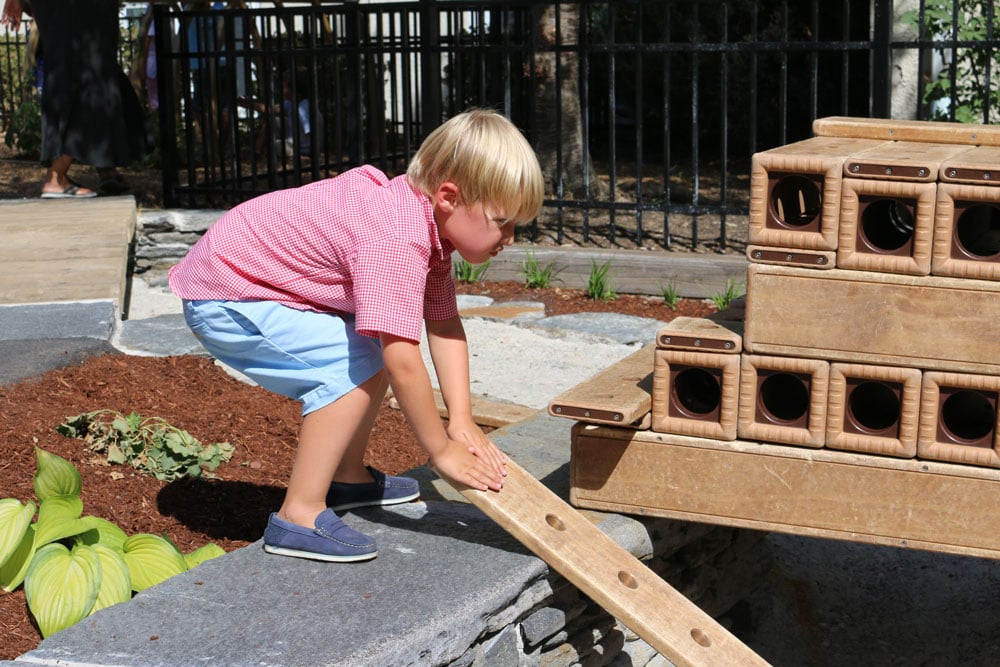
6. Learning in Pre K is often messy and play based. We will play in the dirt and paint. And, yes, that is learning. At age four, children are wired to move and to play. These sensory experiences aid their physical and intellectual development. Yes, we establish literary and mathematical foundations–but effective schooling also involves a healthy amount of play. Play and academics are certainly not mutually exclusive. (Recess is important, too!)
7. Teaching doesn’t stop when the bell rings. We plan, we assess, we think. We go to bed thinking of the day and how we can continuously make learning more fun and enriching for your son.
8. Don’t prolong the drop-off process. Parents are always welcome, but if your son has difficulty separating from you in the morning, it’s actually doing more harm than good to prolong the transition. Smile, remind him when he will be picked up, tell him you love him, say goodbye, and head for the door. We’ll take it from there (see #3!).
9. Take the time to find the right program for him–even if it’s not at our school. Pre-K programs vary in schedule, curriculum, and philosophy. Don’t rush to enroll before you consider which program is most appropriate for your child and your family. And, consider the long view. How well will the school serve the needs of your child beyond the Pre-K experience?
10. Disappointments, mistakes, and setbacks are learning opportunities, too. Disagreements with friends, not getting what he wants, and even tripping and falling on the playground are chances for a student to experience less-than-ideal circumstances and make decisions on how to react. The day-to-day interactions that adults can navigate with ease are much newer and more foreign to a four-year-old–and are important learning experiences. If adults consistently step in and solve their problems for them, they will miss important opportunities to learn.
Pre K is a formative time in a child’s life, and the right learning environment can make a lasting difference when teachers and families work together with a shared understanding of how young children grow, learn, and navigate challenges. The best way to understand a Pre K program is to experience it firsthand, so we invite you to visit our campus, meet our Pre K teachers, and see how our approach to early childhood education supports independence, curiosity, and joyful learning.